
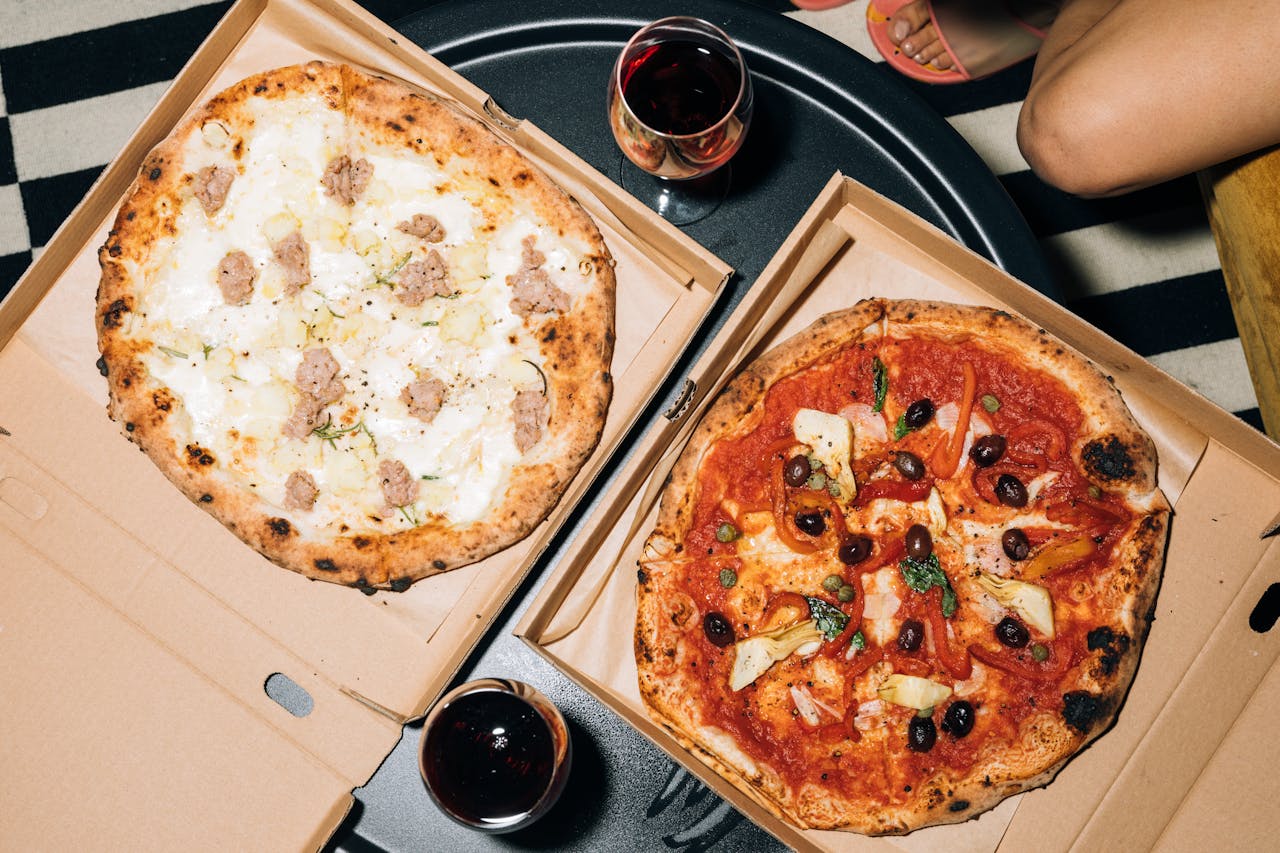
Across Canada, pizza remains one of the most loved comfort foods. From busy downtown streets to growing suburban neighbourhoods, demand for quality pizza continues to rise. In 2026, many entrepreneurs are looking at pizza franchising as a practical way to enter the food business with brand support and proven systems.
Opening a franchise can be exciting, but success depends on preparation, planning, and realistic expectations. Understanding how the industry works today can help you build a strong foundation from the start.
Pizza appeals to every age group. Families order it for dinner, students rely on it during exams, and offices choose it for meetings. It fits casual gatherings and special occasions alike.
In recent years, Canadians have shown growing interest in quality ingredients, reliable service, and consistent flavour. Franchises that focus on these values continue to perform well. Another advantage is flexibility. Pizza stores can serve dine-in customers, takeout guests, and delivery orders at the same time. This multi-channel approach supports steady income throughout the week.
Before signing any agreement, future pizza franchise owners must understand the financial commitment involved. Startup costs usually include franchise fees, equipment, leasehold improvements, signage, and initial inventory.
Monthly expenses also matter. Rent, staff wages, utilities, marketing contributions, and ingredient supplies affect long-term profit. New owners should prepare realistic budgets and reserve funds for unexpected costs.
Location plays a major role in franchise success. High-traffic areas near schools, offices, residential zones, or shopping centres often perform best. Visibility matters. A store that drivers and pedestrians easily notice attracts walk-in customers. Access to parking and delivery routes also affects daily operations.
In 2026, many successful franchises focus on mixed-use developments and expanding suburbs, where population growth supports new businesses.
One major benefit of franchising is access to structured training. Most pizza franchises provide programs covering food preparation, customer service, inventory management, and safety standards.
New owners also receive operational manuals and software systems that simplify scheduling, ordering, and reporting. Ongoing support often includes marketing guidance, menu updates, and technical assistance. This backing helps franchisees adapt to changing customer preferences and industry trends.
Staff quality directly shapes customer experience. Friendly service, accurate orders, and clean facilities depend on well-trained employees.
Successful owners invest time in hiring carefully and building positive workplace culture. Offering fair schedules, clear expectations, and growth opportunities helps reduce turnover. In competitive labour markets, supportive management often becomes a key advantage.
Canadian diners in 2026 expect convenience. Online ordering, mobile apps, and contactless payments have become standard. Franchises that offer smooth digital systems gain customer loyalty.
Speed also matters. Customers want quick preparation without sacrificing quality. Efficient kitchen layouts and organized workflows support this balance.
While national branding supports visibility, local marketing still plays a major role. Successful pizza franchise owners actively engage their communities.
This may include sponsoring youth sports teams, supporting school fundraisers, and participating in neighbourhood events. Social media platforms allow stores to promote specials, share behind-the-scenes content, and connect with customers directly.
Franchise contracts define rights and responsibilities for both parties. These agreements outline royalty fees, territory protections, advertising contributions, and operational standards.
Potential owners should review documents carefully with legal professionals. Understanding renewal terms, exit clauses, and resale conditions protects long-term interests.
Reliable ingredient supply supports consistent quality. Most franchises work with approved vendors to maintain standards across locations.
Owners must learn inventory management to reduce waste and control costs. Regular audits, accurate forecasting, and organized storage systems help maintain profitability. In 2026, many franchises also focus on sustainable packaging and responsible sourcing, responding to growing environmental awareness.
Food businesses must comply with provincial and municipal regulations. These include health inspections, food handling certifications, labour laws, and fire safety standards.
Franchise systems usually provide compliance guidance, but owners remain responsible for meeting local requirements.
Franchise ownership offers a balance between entrepreneurship and established systems. Owners follow brand guidelines while managing daily operations independently.
This structure suits individuals who enjoy leadership but prefer proven models over starting from scratch. Creativity still plays a role in team building, customer relations, and local promotion.
Opening one location often leads to future expansion. Many successful franchisees eventually operate multiple stores. Planning for growth includes developing leadership within teams, strengthening financial management, and maintaining consistent service quality. Patience and steady improvement support sustainable success.
Opening a pizza franchise in Canada offers strong potential for motivated entrepreneurs. With high demand, established systems, and flexible service models, the industry remains attractive.
However, success requires dedication, financial discipline, people management skills, and active involvement. Owners who treat their franchise as both a business and a community presence often achieve lasting results.
By understanding investment needs, location strategy, training systems, and customer expectations, future franchise owners can enter 2026 with confidence and clear direction. For opening a Joe's Pizza Stone franchise, get in touch with our team today!


