
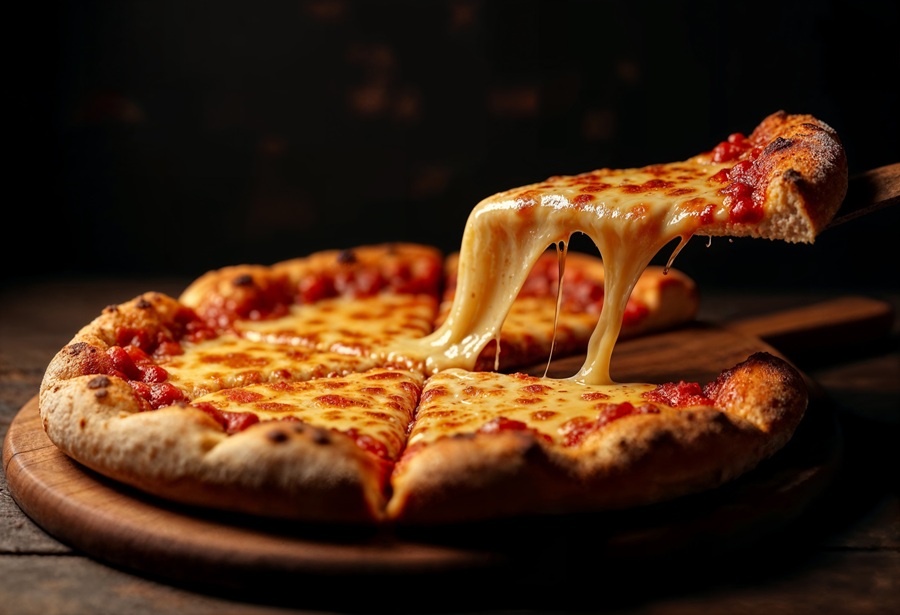
When it comes to pizza, the cheese is undoubtedly one of the most important components. Cheese not only delivers that gooey, melty texture we all love but also contributes to the overall flavor profile of the dish. Yet, not all cheeses behave the same way when exposed to heat.
Some melt beautifully and stretch perfectly, while others remain stiff, separate, or release excess oil that can make your pie greasy. Ever wondered why that happens? Let's dig into the science of cheese and discover why some varieties are just made for pizza while others fall flat.
The way cheese melts comes down to its composition. Cheese is made up of water, fat, proteins, and a whole lot of flavor compounds. When you heat cheese, these components interact in fascinating ways. The proteins lose their structure, allowing the fat and moisture to seep out and form that iconic gooey texture. However, the exact manner in which a cheese melts depends on its moisture content, fat levels, and acidity.
Cheeses with high moisture content, such as mozzarella, melt evenly and create that creamy stretch we all adore on pizza. Meanwhile, low-moisture cheeses like Parmesan or Romano tend to stay firmer even when heated. The right balance of moisture and fat is what gives the perfect cheese its pizza-friendly characteristics.
You can’t talk about pizza without mentioning mozzarella. It’s a classic for good reason. Traditional fresh mozzarella boasts high moisture content and a mild, creamy flavor. When baked, it melts into a smooth, stringy layer, ideal for that “cheese pull” moment.
Low-moisture mozzarella, commonly used in most pizzerias, is even better suited for pizza made in a variety of ovens. This version has less water, meaning fewer chances of a soggy crust, but still gives the gooey, melty texture everyone craves. Mozzarella’s mild taste also pairs perfectly with a wide range of toppings, making it incredibly versatile.
Not all cheeses are made for the pizza process. Cheeses like feta, ricotta, or goat cheese don’t melt the same way as mozzarella because they lack the ideal protein and moisture balance. These cheeses tend to crumble or become slightly softened rather than achieving a molten consistency.
Additionally, aged cheeses like sharp cheddar or Gruyère have a lower moisture content and a more crystalline structure, which can cause them to melt unevenly. They might separate under heat, causing oils to pool on top of your pizza, a potentially greasy disaster.
That’s not to say these cheeses don’t have a place on pizza. They can be excellent complementary flavors when used sparingly alongside a melty cheese base like mozzarella. It’s all about balance and understanding how each cheese behaves.
Cheese with higher fat content tends to melt better, creating a creamier texture. This is because the fat melts quickly when exposed to heat and blends seamlessly with the other components. Some cheeses, like Fontina or Havarti, are naturally rich in fat and make fantastic contenders for pizza toppings.
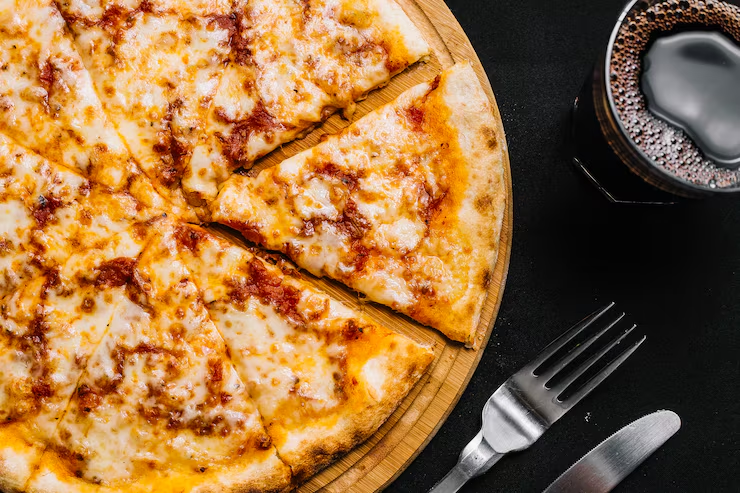
Acidity also plays a vital role in how a cheese reacts to heat. Cheeses with higher acidity, such as blue cheese or goat cheese, are less likely to fully melt, which is why they work better as finishing toppings rather than the main cheese layer.
While mozzarella is the undisputed champion of pizza, combining cheeses can elevate your pie to new flavor heights. Here are some winning combinations:
Mozzarella and Parmesan: Parmesan, with its nutty, salty flavor, complements mozzarella’s creaminess perfectly. Sprinkle it on top for a crispy, golden finish.
Mozzarella and Provolone: Provolone adds a buttery richness and blends well with mozzarella for a stretchier, more flavorful bite.
Mozzarella and Cheddar: Cheddar brings a sharp, tangy kick to pizza, making it a popular choice for specialty pies like barbecue or meat lovers’.
Mozzarella and Burrata: For an indulgent touch, add fresh burrata after your pizza comes out of the oven. Its creamy center is a delicious contrast to the warm, melted mozzarella.
Four-Cheese Blend: Combine mozzarella, Fontina, Parmesan, and Gorgonzola for a complex mix of textures and flavors. This classic quattro formaggi is beloved by cheese enthusiasts.
If you’re feeling adventurous, consider experimenting with artisan cheeses for unique pizza creations. Soft cheeses like brie or camembert melt beautifully and add a luxurious touch. Harder cheeses like Pecorino Romano or Asiago can be grated over the top post-baking for sharp, savory bursts of flavor.
Smoked cheeses, such as smoked gouda or smoked mozzarella, provide a bold and earthy element that pairs beautifully with toppings like mushrooms or caramelized onions. Don’t be afraid to mix and match flavors to create your signature pizza masterpiece.
Finally, the temperature at which you cook your pizza plays a big role in how the cheese behaves. High heat encourages even melting and caramelization, which enhances both the texture and flavor of the cheese. Wood-fired ovens in traditional pizzerias, for example, often reach temperatures of up to 900°F, allowing the cheese to melt and bubble beautifully in just minutes. Home ovens can achieve similar results by preheating a pizza stone or steel at the highest temperature setting.
At Joe's Pizza Stone, we serve stone-baked pizza Lethbridge made with the freshest ingredients. Our carefully crafted recipes and high-quality toppings ensure every bite is bursting with flavor, creating a truly authentic pizza experience. If you're as passionate about great pizza as we are, we’re excited to share that we also offer pizza franchise opportunities. Join the Joe's Pizza Stone family and bring our signature stone-baked goodness to your community!


